Brazil's farm debt bill passed, but the window shut: banks and co-ops stopped renegotiating until it is signed
Congress approved MP 1,376/2026, but contracting stopped on Wednesday (11) when the old deadline expired. The new 120-day window only starts after the rules are issued.
To save you time4
- Why did renegotiation stop?
- The original regulation's deadline expired on Wednesday (11). Banks and credit co-ops are waiting for the signing and new rules to resume.
- How much has been renegotiated?
- R$ 23.3 billion through Tuesday (10), against a stock of about R$ 100 billion the government was targeting.
- What does the approved text change?
- It covers CPRs issued to co-ops, input suppliers and grain merchants, moves the cut-off date to October 31, 2026, and allows collective loss reports.
- When does it restart?
- After signing and regulation. The new window is 120 days from regulation, and may depend on National Monetary Council rules and a fiscal review.

Tickers in this story
Read the full analysis +
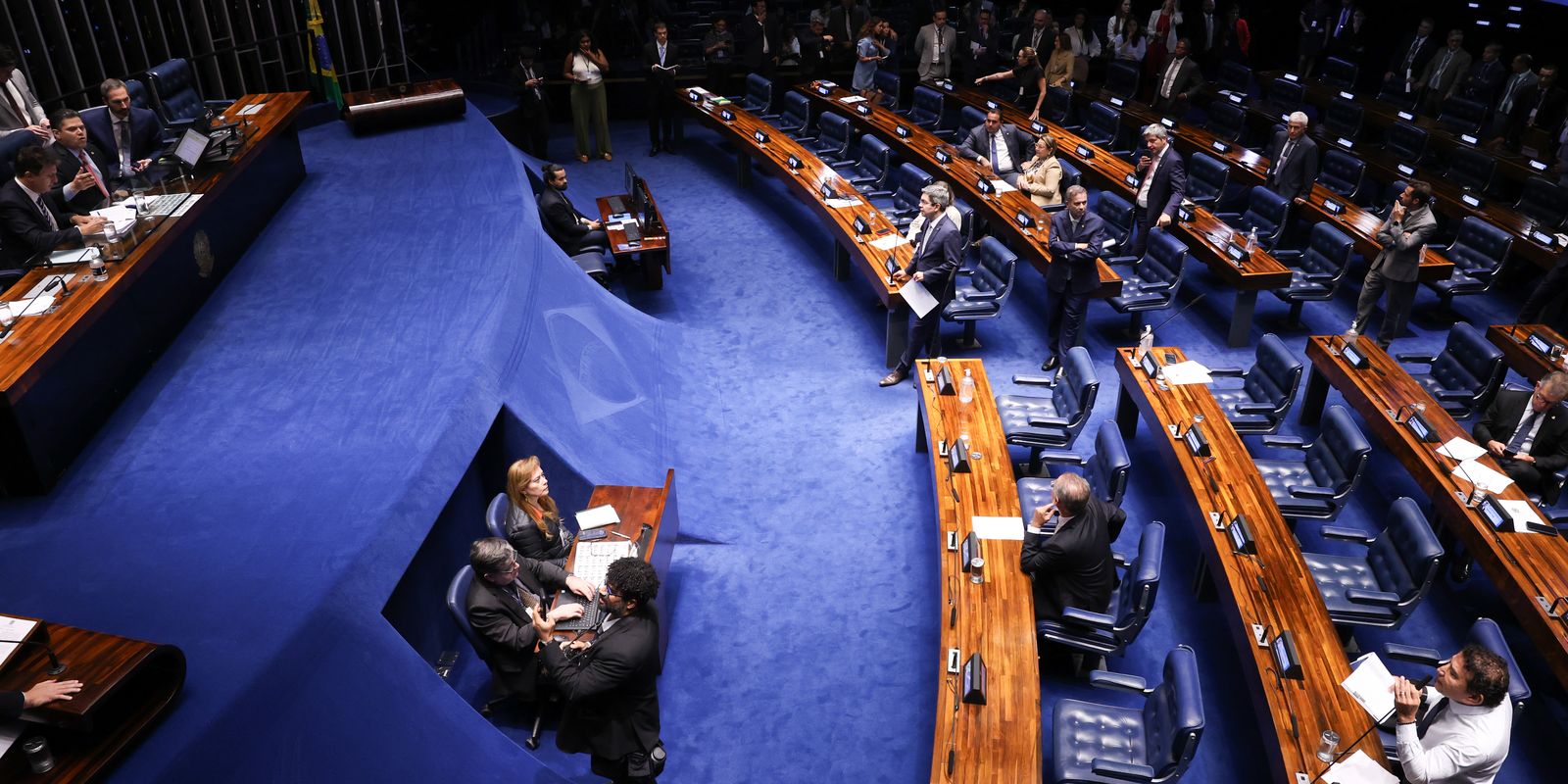
If you were expecting renegotiation money to reach farmers this week, I'll be direct: it won't. Brazil's Senate approved MP 1,376/2026 on Wednesday (11), its last valid day, but banks and credit cooperatives stopped contracting that same day, when the original regulation's deadline ran out.
As a ND Mais column put it, the measure "didn't lapse, but approval didn't turn into credit in the account either."
What the text changes
The point that matters most to markets: renegotiation now covers CPRs (rural product notes, the paper farmers issue to fund the crop) issued to cooperatives, input suppliers and grain merchants, not just banks. That eases pressure on those who financed farmers outside the banking system.
The cut-off date for delinquent operations moved from August 31 to October 31, 2026. And micro, small and mid-size farmers can use collective technical reports to prove losses.
The clock
The new contracting window is 120 days, counted from the law's regulation, not from its signing. Before that, the economic team must assess the fiscal impact, including the equalization cost (the Treasury subsidy that lowers interest rates). Restarting may also require new National Monetary Council rules.
Through Tuesday (10), renegotiations totaled R$ 23.3 billion, against a stock of about R$ 100 billion the government was aiming at.
"The approval is an important step forward for the countryside," said Tania Zanella, executive president of the OCB cooperative system.
What I'd watch
The signing date and any vetoes. Then the Monetary Council resolution and the size of equalization funding. In a fiscal adjustment year, that's where the bill can stall.